

19TH INTERNATIONAL CONFERENCE
SCWD 2026
Scientific programme
Cachexia, Sarcopenia
& Wasting Disorders
- December 10–12, 2026
- Washington, DC
- In person


From emerging therapies to AI-assisted assessment. Join the scientific conversation shaping the next chapter of muscle health.


Scientific programme
Three days of basic science, translational research and clinical discussion. Browse the sessions, chairs and presentation topics below.
Programme updated 7 October 2026. Speakers, timings and session details remain subject to confirmation.
Programme subject to change.
DEC10DAY 1
Thursday, 10 December 2026
TIMEHALL AHALL B
08:30–09:30
Epigenetics of sarcopenia and cachexia
Chairs
Brittany Counts, USA; To be announced
- Abnormal DNA methylation and altered transcriptome in muscle five years after critical illnessIlse Vanhorebeek, Belgium
 Skeletal muscle methylome-transcriptome disruptions during the onset and progression of colorectal cancer-induced cachexiaNicholas Greene, USA
- BET inhibitors for sarcopeniaGiuseppina Caretti, Italy
- Presentation title to be announcedSpeaker to be announced
- Discussion
Kidney, kidney cancer, and cachexia
Chairs
Kamyar Kalantar-Zadeh, USA; To be announced
- Cachexia as multi-organ diseaseMarilia Seelaender, Brazil
- Tracing Early Oncogenic Events in Renal Cancer: Implications for Cachexia and HIF SignalingJoanna Lima, Brazil
- HIF-2α–driven paraneoplastic syndromes in aggressive kidney cancer: linking PTHrP, hypercalcemia, and cachexiaJames Brugarolas, USA
 Presentation title to be announcedRobert Mak, USA
- Discussion

09:40–10:40
Loss of protein quality control in muscle aging and disease
Chairs
Denis Guttridge, USA; To be announced
- Protein degradation in disease – insights from human biopsiesVolker Adams, Germany
- Protein aggregation in muscle disease and agingBenjamin Miller, USA
- Integrated stress response in protein quality control in muscleTracy Anthony, USA
- Insolubilome in muscle agingFabio Demontis, USA
- Discussion
Neuromuscular impairments in cachexia and sarcopenia
Chairs
Andrea Bonetto, USA; To be announced
- Impaired motor unit connectivity in cancerJoshua Huot, USA
- New insights on neuromuscular junction instability with inactivityMarco Narici, Italy
- Human neuromuscular organoids mimic cancer-induced muscle wastingPietro Chiolerio, Italy
- A microphysiological model of muscle denervation in pancreatic cancer cachexiaBumsoo Han, USA
- Discussion

10:50–11:50
Connecting geroscience and osteosarcopenia
Chairs
Marco Brotto, USA; Fabrizio Pin, USA
- The role of the ribosomes in muscle and bone healthSpeaker to be announced
- Targeting optimal recovery in fragility fracture patients with co-existing osteosarcopeniaRonald Man Yeung Wong, Hong Kong
- Tryptophan metabolites as regulators of bone and muscle healthGustavo Duque, Canada
- Stem cell exhaustion in osteosarcopeniaSpeaker to be announced
- Discussion
Systems biology of cachexia
Chairs
Mauricio Berriel Diaz, Germany; Erin Talbert, USA
- Cross-study meta-analysis of the cancer cachexia transcriptomeYoshiaki Tanaka, Canada
- Functional interrogation of the pancreatic cancer cachexia secretomeMin Deng, Norway
- Cachexia multi-ome analysis reveals early perturbations in adipose tissueHonglei Ji, Germany
- The gut microbiome and cancer cachexiaLaure Bindels, Belgium
- Discussion
12:00–12:50
Lunch break
13:00–14:00
Opening session
Chairs
Teresa Zimmers, USA; Stefan Anker, Germany
- WelcomeTo be announced
- “Prometheus” basic science keynote lecture · Cachexia and the immune tumor macroenvironmentDenis Guttridge, USA
- “Hippocrates” clinical science keynote lecture · Cancer and cachexia: an oncologist’s perspectiveJeffrey Crawford, USA
- JCSM UpdateStephan von Haehling, Germany
14:15–15:30
Multi-organ wasting during incretin treatment
Chairs
Andrew Coats, Australia; Javed Butler, USA
Panelists
John Borg, Malta; David Glass, USA; Stefan Anker, Germany
- Skeletal muscle loss during GLP-1RA based therapies: size of the problem?Jennifer Linge, Sweden
- How does weight cycling affect different tissue compartments?Joseph Brozinick, USA
- Do incretin mimetics cause cardiac atrophy?Markus Anker, Germany
- Can high protein diet prevent muscle wasting?Maurizio Muscaritoli, Italy
- Muscle anabolics during and after GLP-1RA therapy: trial resultsJulio Rosenstock, USA
- Discussion


Mitochondrial dysfunction as a therapeutic target in cachexia: exploring disease-specific mechanisms and shared pathways
Chairs
Volker Adams, Germany; Scott Bowen, UK
- Tumor-driven mitochondrial dysfunction in cancer cachexiaPaola Costelli, Italy
- Mitochondrial dysfunction in age associated cachexiaRussell Hepple, USA
- Mitochondrial function as therapeutic target in cachexiaBeatrice Vahle, Germany
- Novel pharmacological approaches to target mitochondriaTienush Rassaf, Germany
- Discussion
15:30–16:30
Break · Poster viewing 1 · Rapid-fire abstracts 1
16:30–17:45
Biology, bulk, and function. What is the intersection in cancer cachexia?
Chairs
To be announced; Jose Garcia, USA
- How neural and physiologic mechanisms integrate to dictate muscle function: translational examplesRichard L. Lieber, USA
- Distinguishing functional decline and recovery: preclinical and clinical lessons in cachexiaIshan Roy, USA
- Muscle mass is not enough: distinct roles for muscle quality and mass in functionWilliam Evans, USA
- Muscle remodeling in cachexia: mechanisms linking cellular biology to contractile functionBrittany Counts, USA
- Discussion
Muscle disorders in acute medical care
Chairs
Wolfram Doehner, Germany; To be announced
- Muscular disease in the acute medical care setting – update 2026Joerg C. Schefold, Switzerland
- Frailty and lessons learnt from the SARS-CoV-2 pandemicSpeaker to be announced
- Progress in understanding neuromuscular disease in the ICUSpeaker to be announced
- Suggested clinical approaches to acute muscle wasting in the critically illStefan Schaller, Austria
- Discussion
17:50–18:35
Industry session · Details to be announced
18:45–19:45
Welcome reception · Joint poster viewing
Join the opening conversations.
SCWD 2026 · Washington, DC · December 10–12
DEC11DAY 2
Friday, 11 December 2026
TIMEHALL AHALL B
07:00 · TBC
Ken Fearon Career Café · Meet the Mentor
08:30–09:30
Cachexia in critical illness
Chairs
Stefan Schaller, Austria; To be announced
- Cachexia in CKD and AKIKamyar Kalantar-Zadeh, USA
- StrokeWolfram Doehner, Germany
- Cachexia in sepsisOrlando Laitano, USA
- Cachexia induced by liver growth and injuryLeonidas Koniaris, USA
- The effect of sleep abnormalities on body compositionMarcello Maggio, Italy
- Discussion
COACH-ED: crosstalks on diagnosing and treating cancer cachexia
Chairs
Maurizio Muscaritoli, Italy; Richard Skipworth, UK
- Diagnosing and managing cachexia in the oncology and palliative care settingSpeaker to be announced
- Beyond calories: nutrients as active therapeutics in oncology carePaula Ravasco, Portugal
- Clinical trials and innovation in cancer cachexia careUwe Pelzer, Germany
- COACH-ED: program outcomes and future directions – the road aheadJose Garcia, USA
- Discussion
09:30–10:30
Break · Poster viewing 2 · Rapid-fire abstracts 2
10:30–11:30
Meet the Editor
Chairs
To be announced
- Presentations to be announced.
Biomarkers and mechanisms in cancer cachexia
Chairs
Samuel Breit, Australia; To be announced
- JAK1/2 inhibition delays cachexia and improves survival through increased food intakeMarcus Goncalves, USA
- Responder analysis in the PACTO trialTeresa Zimmers, USA
- Unmasking complement: a causal pathway in cancer-induced muscle lossAndrew Judge, USA
- Plasma Hsp90 Level correlates with cachexia and shorter survival in cancer patientsYi-Ping Li, USA
- Discussion
11:45–13:00
Cancer cachexia emerging therapies
Chairs
Jeffrey Crawford, USA; Uwe Pelzer, Germany
Panelists
John Borg, Malta; Marina Zemskova, USA
- Relevant endpoints for clinical trials in cancer cachexiaStefan Anker, Germany
- MC3/MC4R inhibition for cachexiaDan Marks, USA
- GDF15 inhibition to reduce cachexia and promote anti-tumor therapyEric Roeland, USA
- S-pindololAndrew Coats, Australia
- Presentation title to be announcedSpeaker to be announced
- Discussion
Cachexia in chronic illness: update 2026
Chairs
Annemie Schols, Netherlands; To be announced
- Cachexia in heart failure – still an issueFabio Dorigotti, Switzerland
- Cachexia in Type 2 Diabetes Mellitus – update 2026Mitja Lainscak, Slovenia
- COPDNeil Greening, UK
- Cachexia in MASH / MASLDSrinivasan Dasarathy, USA
- Discussion

13:10–14:10
Lunch · Industry session · Details to be announced
14:15–15:30
Pediatric cancer cachexia
Chairs
Erin Talbert, USA; Paola Costelli, Italy
- Biomarkers of the systemic response to cancer in childrenDaniel Runco, USA
- Postnatal neuromuscular growth and the consequences of pediatric cancer therapiesJoe Chakkalakal, USA
- Pediatric CHOP chemotherapy acutely disrupts satellite-cell dynamics and blunts muscle mass in a sex-specific mannerMichael Wiggs, USA
- The surgeon’s viewRichard Skipworth, UK
- Discussion
Defining cachexia, sarcopenia, and frailty
Chairs
Reshma Merchant, Singapore; Gustavo Duque, Canada
- The conceptual and operational definition of sarcopeniaBen Kirk, Australia
- Measuring muscle quantity and quality, the options: DEXA, CT, MRILars Johansson, Sweden
- Secondary sarcopenia in chronic disease: when muscle loss is not just ageingStephan von Haehling, Germany
- From sarcopenia to frailty and cachexia: clinical phenotypes, overlap, and outcomesPaul Coen, USA
- Sarcopenic obesity in CKD: a difficult entityAngela Wang, Singapore
- Discussion
15:30–16:30
Break · Poster viewing 3 · Rapid-fire abstracts 3
16:30–17:45
Session title to be announced
Chairs
To be announced; To be announced
- Presentations to be announced.
Frailty, sarcopenia and cachexia in chronic liver disease: from mechanisms to therapies
Chairs
Jose Garcia, USA; Sandra Kleiner, Germany
- Frailty and sarcopenia in patients with cirrhosisSpeaker to be announced
- Mechanisms of muscle dysfunction in MASLDNicolas Lanthier, Belgium
- Oral LPCN 1148 improves sarcopenia and hepatic encephalopathy in male patients with cirrhosisNicole Welch, USA
- Exercise and GLP-1 agonists for MASLD-associated sarcopenia and muscle dysfunctionSpeaker to be announced
- Discussion
18:00–18:45
Data mining the electronic medical record and imaging for diagnostics in cachexia / sarcopenia
Chairs
To be announced; To be announced
- Automated CT/L3-based body composition pipelines; AI-based opportunistic screening from routine clinical imagingFaisal Beg, Canada
- Defining cachexia staging and phenotypes using data from a large health systemEd Reznik, USA
- Wearables and digital function assessment: Advancing sarcopenia assessment with wearable and app-based technology: a scoping reviewSpeaker to be announced
- Discussion
Cancer Cachexia Endpoints
Chairs
Stefan Anker, Germany; To be announced
- Meaningful quality of life and patient-reported outcome measures – QLQ-C15-PAL, FACIT-Pal, QLQ-C30 Physical Functioning, PROMIS Physical Function, FAACT-A/CS, FAACT-5IASS, and beyondDavid Cella, USA
- Physical function outcomes – HGS, SPPB, 6MWTD etc.Speaker to be announced
- Hard outcomes for morbidity & mortalityTim Friede, Germany
- Discussion


18:50–19:35
Industry session · Details to be announced
Connect research with clinical practice.
SCWD 2026 · Washington, DC · December 10–12
DEC12DAY 3
Saturday, 12 December 2026
TIMEHALL AHALL B
08:00–09:00
Young Investigators Award Session (YIA)
Chairs / Judges
James Carson, USA; Hidetaka Wakabayashi, Japan; To be announced
- Presentations to be announced.
Exercise for cancer cachexia ?!
Chairs
To be announced
- Resistance vs. aerobic vs. combined training in cancer cachexiaSpeaker to be announced
- Pharmacological mimics of exercise: novel strategies to augment muscle mass and functionMorten Hostrup, Denmark
- Pharmacological possibilities to help patients to move moreBo Falck Hansen, Denmark
- Exercise versus anabolic drugs for treating sarcopeniaPhil Atherton, UK
- Discussion
09:00–10:00
Break · Poster viewing 4
10:00–11:15
GLP-1RA for weight loss therapy: the issue of muscle and bone loss
Chairs
Stefan Anker, Germany; Andrew Coats, Australia; Katsu Funai, USA; John Borg, Malta
- Sex-dependent decreases in organ weight with GLP-1RAKatsu Funai, USA
- Liver, heart and bone during incretin treatmentHenning Langer, Germany
- Myostatin/activin-pathway combination-therapy trial data (e.g., bimagrumab + GLP-1 agonist)David Glass, USA
- The experience with enobosarmMitchell Steiner, USA
- Beyond lean mass preservation: Cardiometabolic effects of anabolic add-on therapies for weight lossKen Attie, USA
- Discussion


From signals to systemic wasting: crosstalk in cancer cachexia
Chairs
To be announced; To be announced
- Impaired T cell functionality contributes to cancer cachexiaSu-Ping Ng, Germany
- Tumor-secreted ADAMTSL4 activates latent TGF-β1 to drive cancer cachexiaMauricio Berriel Diaz, Germany
- The adipose tissue as an active driver of cancer and cachexia progression: depot-specific features and novel targetsAlessio Molfino, Italy
- The gonad-bone-muscle axis in cancer and treatment-induced cachexiaJames Carson, USA
- Discussion
11:30–12:45
Late Breaking Science (LBT)
Chairs
To be announced; To be announced
- Presentations to be announced.
Neural inflammatory and behavioral axes in cachexia
Chairs
To be announced; Vickie Baracos, Canada
- Mechanisms of behavioral changes in cachexiaTobias Janowitz, USA
- Targeting the peripheral and systemic gut-brain axes to combat cachexiaXiling Shen, USA
- Metabolism and behavior in cancer cachexiaEileen White, USA
- Sympathetic nerve mediated factors in cachexiaAaron Grossberg, USA
- Discussion
12:50–13:50
Industry session · Lunch
14:00–15:15
Emerging treatments in neuromuscular disease
Chairs
David Glass, USA; Fabio Dorigotti, Switzerland
- Myostatin inhibition as a co-treatment in Spinal Muscular AtrophySpeaker to be announced
- (s)-oxprenolol for ALSJochen Springer, Germany
- Anti-inflammatory strategies in neuromuscular diseaseAgata Mossakowski, Germany
- Presentation title to be announcedSpeaker to be announced
- Discussion
Bone–muscle crosstalk in cachexia and sarcopenia
Chairs
Kamal Awad, USA; Gustavo Duque, Canada
- General bone–muscle crosstalk: mechanisms and implicationsLynda Bonewald, USA
- Liver-bone-muscle-cancer interactions: clinical perspectives and therapeutic opportunitiesAndrea Bonetto, USA
- Osteocyte mediated bone-muscle crosstalk in cancer cachexiaFabrizio Pin, USA
- Integrative musculoskeletal biomarkers: myokines, osteokines, and beyond in sarcopenia and osteoporosisMarco Brotto, USA
- Discussion

15:15–16:00
Highlights session · Hall A · Chairs: Teresa Zimmers, USA; Maurizio Muscaritoli, Italy. Basic science: Aaron Grossberg, USA. Nutrition, sarcopenia and cancer cachexia contributors to be announced. Awards.
Be part of the scientific exchange.
SCWD 2026 · Washington, DC · December 10–12
The questions moving
the field forward.
Five scientific threads connecting mechanisms, measurement and care across the 2026 programme.
Weight loss.
What about muscle?
Explore muscle and bone loss during GLP-1 treatment, multi-organ effects and combination therapies designed to preserve muscle.
David Glass · Katsu Funai · Andrew Coats
Explore Saturday's sessionsNew targets.
New clinical questions.
GDF15 inhibition, MC3/MC4R inhibition, s-pindolol and the endpoints that matter in cancer cachexia trials.
Eric Roeland · Dan Marks · Stefan Anker
Explore Friday's sessionsSee more in
clinical data.
AI-assisted screening from routine imaging, automated body-composition analysis, electronic medical records and wearable technology.
Faisal Beg · Ed Reznik
Explore Friday's sessionsFrom discovery to clinical practice
Opening keynotes by Denis Guttridge and Jeffrey Crawford, plus COACH-ED discussions on diagnosing and treating cancer cachexia.
Exercise, nutrition & muscle function
Research on exercise, protein intake and functional outcomes, connecting biological mechanisms with clinical questions.
Bring your questions to Washington.
Meet the people investigating them.
Meet the science.
Meet the people.
Featured contributors listed in the 2026 scientific programme.
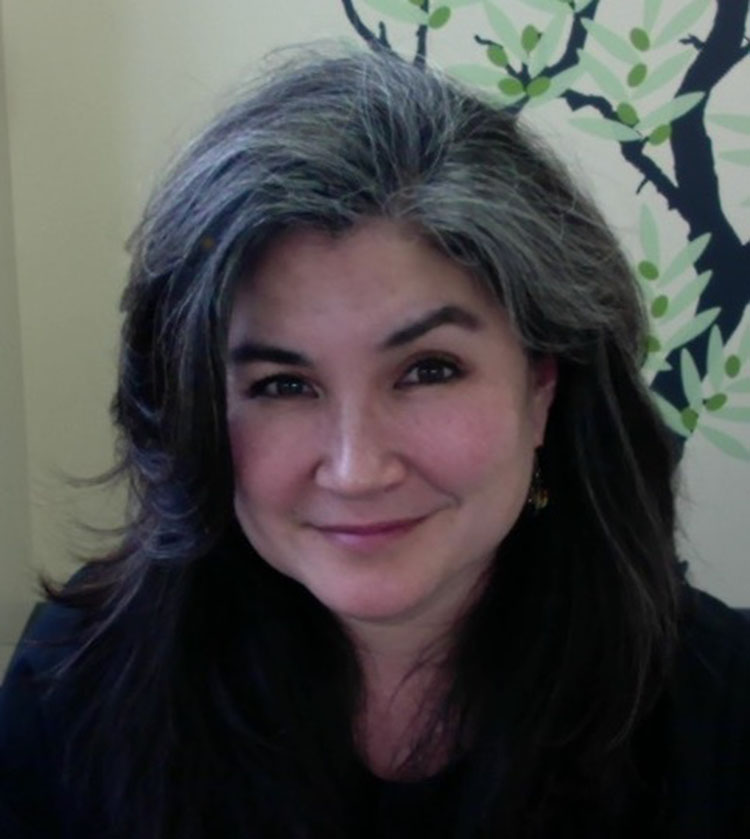
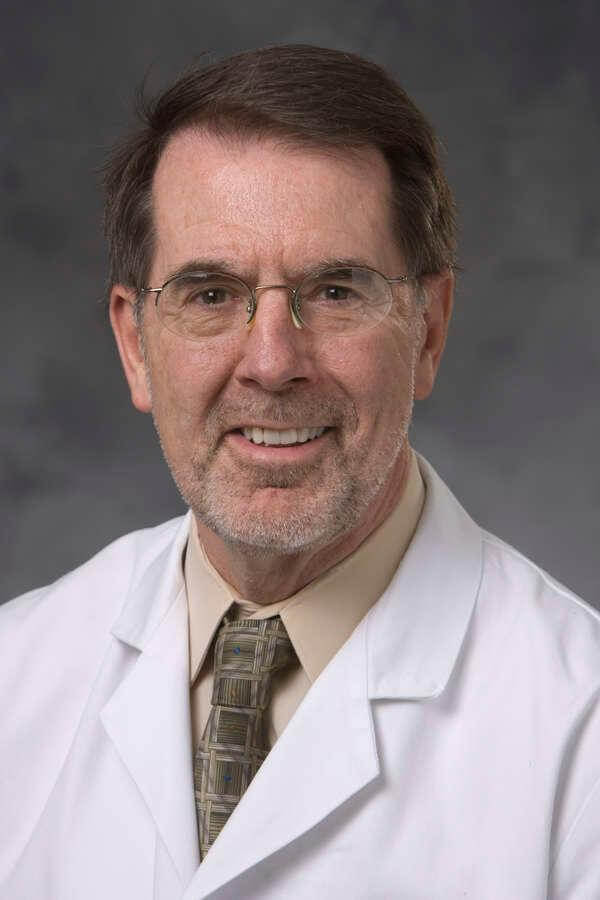
Teresa Zimmers
OHSU Knight Cancer Institute, Oregon Health & Science University
Responder analysis in the PACTO trial
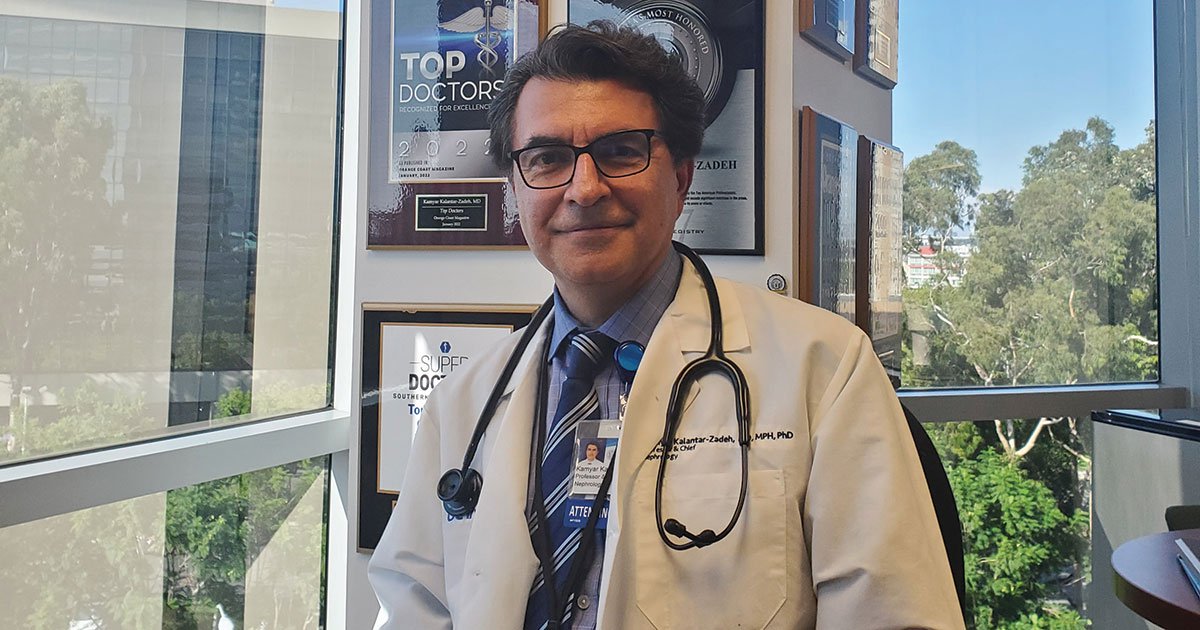
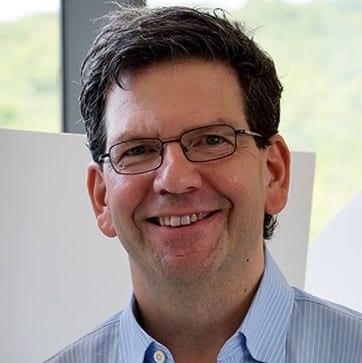
Kamyar Kalantar-Zadeh
UCLA David Geffen School of Medicine · Harbor-UCLA Medical Center
Cachexia in CKD and AKI
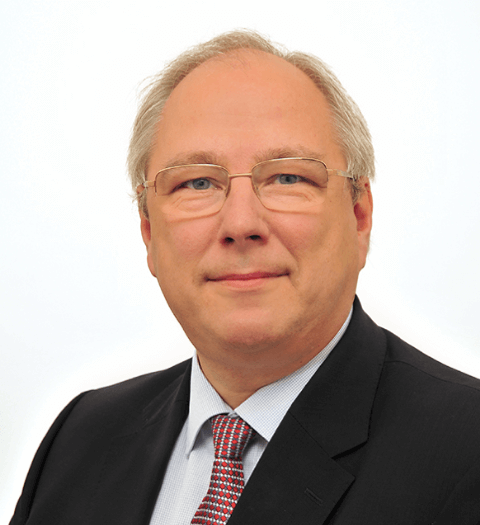
Eric Roeland
OHSU Knight Cancer Institute, Oregon Health & Science University
GDF15 inhibition to reduce cachexia and promote anti-tumor therapy
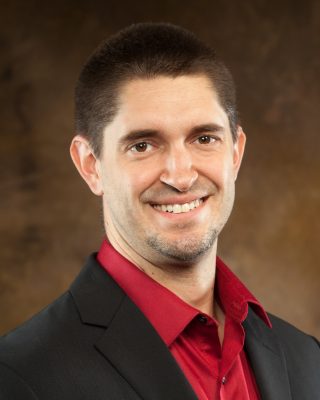
Marilia Seelaender
University of São Paulo · Faculty of Medicine
Cachexia as multi-organ disease
Find your next conversation.
Posters, rapid-fire abstracts, the Career Café and the welcome reception bring people together beyond the sessions.
Sponsors of the previous conference
Thank you to the organisations that supported SCWD 2025.
Platinum sponsor

Gold sponsors


Silver sponsors


Bronze sponsors




Congress supporters




Partner

SCWD 2026.
Be there in person.
December 10–12 · Washington, DC
Join clinicians and researchers for three days dedicated to cachexia, sarcopenia and wasting disorders.
Registration and ticket options are available on the official SCWD website.